
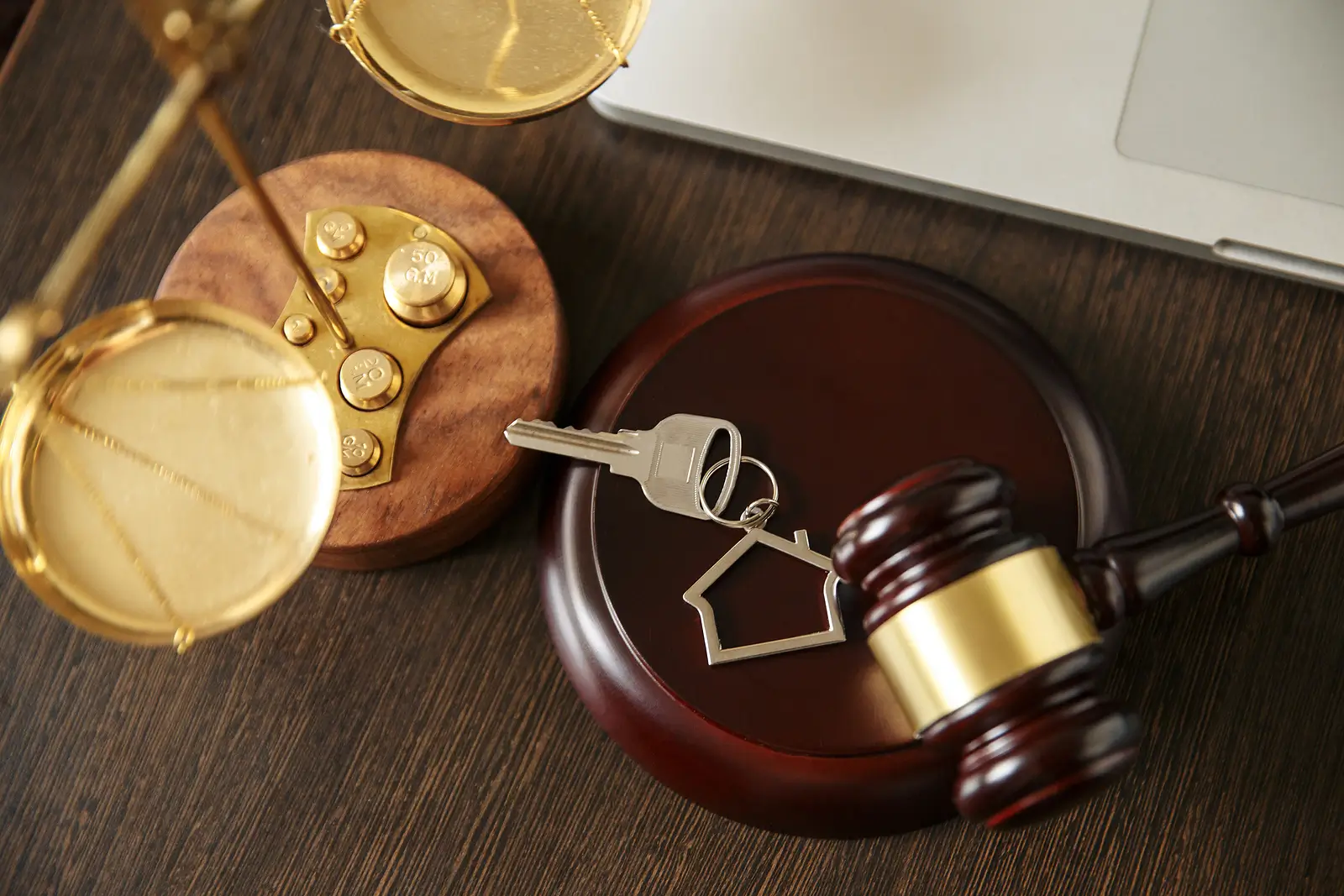
Abiding by the law is not optional in any business, even more so in the rental industry, since it involves living conditions for tenants. Many property owners can manage their rental businesses without violating any laws, but that requires vigilance and legal knowledge.
There are a couple of ways you can adopt to ensure legal compliance. Not only will you protect your tenants from risks and foster better relationships, but you can also establish a solid reputation for your rental business.
Key Highlights:
- Legal compliance is essential for protecting both tenants and landlords, helping avoid costly penalties, lawsuits, and damage to your rental business reputation.
- Maintaining habitability standards, such as working utilities, sanitation, and structural safety, is a fundamental legal responsibility for all landlords.
- Prompt repairs and regular inspections prevent minor issues from escalating into major legal and financial problems while improving tenant satisfaction.
- Consulting professionals such as real estate lawyers and property managers helps landlords navigate complex laws and stay up to date on regulations.
- Neglecting compliance can lead to serious consequences, including fines, tenant lawsuits, and early lease terminations that disrupt cash flow.
1. Ensuring Habitability Standards
Landlords need to keep rental properties livable at all times, which mainly means providing working plumbing, electrical, and HVAC systems. However, you must also make sure that the water is clean and that the premises are sanitary.
That means regularly checking for pest infestations and mold growth, and conducting deep cleans quarterly. Additionally, checking the structural integrity of the building also keeps your residents away from risks or inconveniences.
2. Handling Repairs Promptly
Timely repairs are among the most important landlord duties. This can be through fixing leaks, broken appliances, and damaged fixtures, or addressing electrical and other safety hazards immediately after being informed.
While delays can be normal, it’s ideal to respond to maintenance requests within a 24 to 48-hour window. This shows your renters that you care about their situation, and it prevents issues from getting worse and resulting in more expensive repairs.
3. Conducting Regular Inspections
Routine inspections help you catch small issues early before they worsen. Landlords or property managers typically conduct quarterly inspections that cover the HVAC, plumbing, and electrical systems, as well as wear and tear.
Seasonal inspections are also encouraged, since changes in temperature and weather patterns can significantly affect the exterior of your property. During rainy seasons, for instance, your rental property’s structural integrity is more vulnerable to settling.
4. Consulting Professionals
Landlord-tenant laws are complicated. You may know the basics, like Fair Housing rules or zoning laws, but it goes much deeper than that. Consulting professionals who are knowledgeable about local and state laws can help you with that.
Real Estate Lawyers
Landlords can confer with real estate lawyers to protect their investment property and tenants. Their knowledge is not limited to purchasing property. They can also help you draft comprehensive lease agreements and navigate legal issues you may face.
Property Managers
Property management companies or services often have a team of experts that includes legal professionals, allowing you to have access when you hire them. They can offer insights about rental property rules that help prevent legal issues, as well as handle complicated matters like evictions or security deposits.
5. Managing Exterior and Common Areas
Shared spaces and exteriors are usually under the maintenance obligations of property owners, and any incident caused by negligence can lead to legal issues. For example, a tenant tripping over cracked walkways or distressed due to a lack of pet restrictions.
To avoid potential issues, clean your hallways, staircases, and parking areas. Repair walkways, fences, and exterior structures when needed, and ensure proper drainage and gutter function to avoid flooding. When everything is in good condition, you generally have nothing to worry about.
What Happens if Landlords Violate Rental Laws?
Financial Penalties and Fines
Government agencies or courts can issue fines for non-compliance, which may result from unsafe living conditions or violations of tenant rights. Repeated offenses can result in increased fines. Your choices are to either appeal the penalty or pay the fine. Failing to do either will put you in more complicated situations.
Tenant Lawsuits
A lawsuit usually implies that you committed a more serious offense, and the tenant decided to take legal action. Lawsuits can cover wrongful evictions, discrimination, or negligence. You may be required to pay actual damages, emotional distress damages, and legal fees. The best course of action is to hire a legal professional to navigate the legal matter with expertise.
Lease Termination by Tenants
If the landlord refuses to address the issues that affect habitability standards, it can lead to vacancies and a bad reputation. Residents will typically need to document the circumstances that show the violation, and when proven, it can serve as legal grounds to break the lease without penalties.
FAQs: Rental Property Legal Compliance
What does legal compliance mean for landlords?
- Legal compliance means following all federal, state, and local landlord-tenant laws, including maintaining safe living conditions, respecting tenant rights, and adhering to proper leasing and eviction procedures.
How often should rental property inspections be conducted?
- Routine inspections are typically done quarterly, with additional seasonal inspections to address weather-related issues and maintain the property’s condition.
How quickly should landlords respond to maintenance requests?
- Landlords should ideally respond within 24 to 48 hours. Prompt action helps prevent further damage, ensures tenant safety, and demonstrates professionalism.
Why are habitability standards important?
- Habitability standards ensure that rental properties are safe and livable. Failing to meet these standards can lead to legal penalties, tenant complaints, and possible lease termination.
What happens if a landlord violates rental laws?
- Consequences may include fines, tenant lawsuits, lease terminations, and damage to the landlord’s reputation and income stability.
Legal Experts Who Can Protect You and Your Investment
Having an expert by your side is more beneficial than you might think. Navigating the rental and landlord-tenant laws can be daunting, given that even the smallest mistake can lead to high legal costs. With Renters Place, you can rest assured that your rental business can avoid potential issues.
With our proactive approach and vigilant property management, your investment property and tenants are well cared for. We want you to reach your goals and maximize your profitability, allowing you to scale your rental portfolio faster.
Reach out to us, and we can discuss how professional property management can help your business.
More Resources:
The Complete Guide to Rental Property Taxes: Maximize Deductions and Stay Compliant
HUD Just Changed the Rules on Emotional Support Animals: What Tulsa Landlords Need to Know
