
Tulsa sits in a region where the weather rarely stays predictable. Hot, humid summers, severe spring storms, surprise ice events, and sharp temperature swings all take a toll on rental properties. With these conditions, being proactive and vigilant can save your property from significant damage, so here’s what to watch for.
Key Highlights:
- Spring storms demand quick roof and drainage checks. Inspect for hail damage after every significant storm, and document it with dated photos and videos to meet Oklahoma insurance filing deadlines.
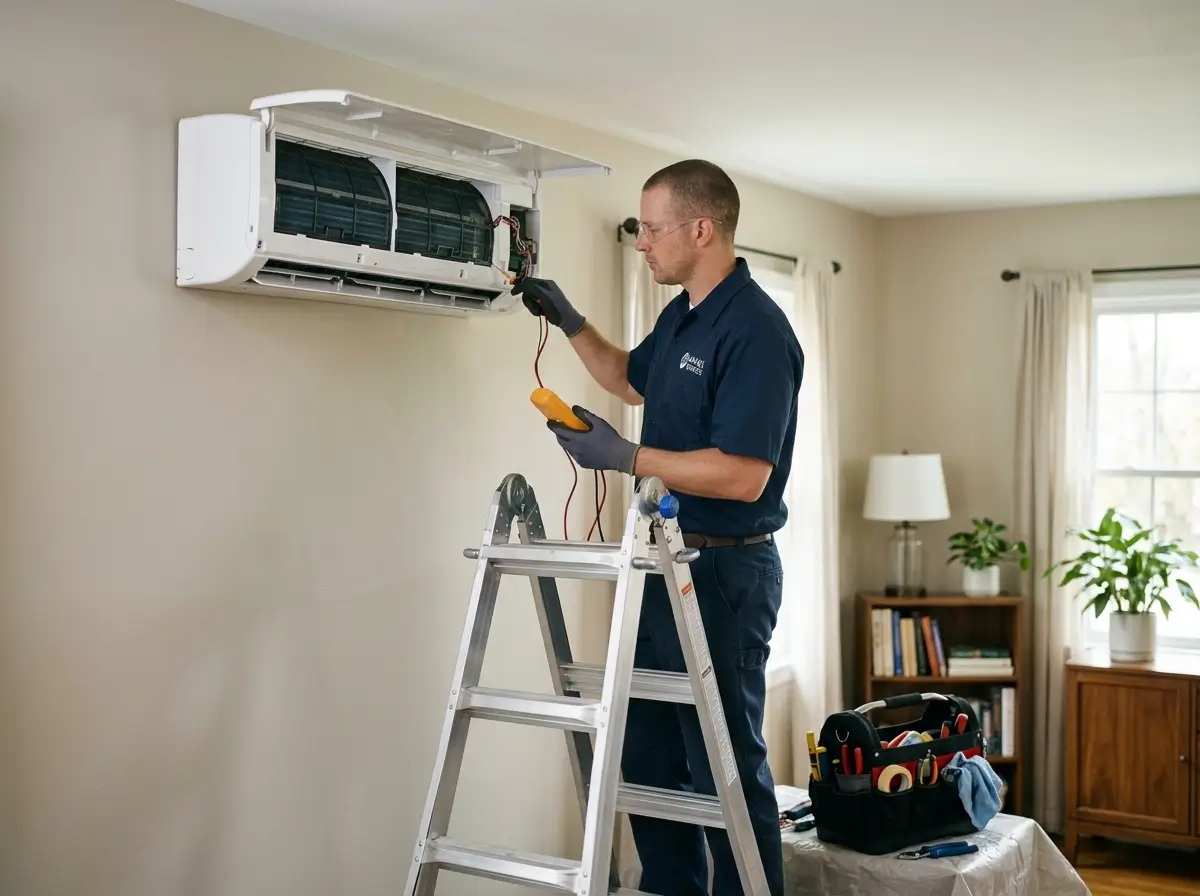
- Summer puts HVAC systems under heavy strain. Schedule professional servicing in April or May, and replace filters regularly to avoid mid-July breakdowns.
- Humidity invites mold and pests. Watch bathrooms and windows for musty odors, condensation, and discoloration, and consider an annual pest inspection for older homes.
- Fall is the best time to prepare. Have heating systems inspected, clear gutters once the leaves have dropped, and seal gaps around doors and windows.
- Winter freezes can cause costly damage. Protect pipes in exterior walls and crawl spaces, keep vacant units heated above 55 degrees, and replace water heaters older than 10 years.
Spring: Storm Season
Spring in Tulsa brings thunderstorms, hail, high winds, and the occasional tornado warning. Around March through June, your roof, gutters, and the general exterior of your rental property are punished the most.
Hail damage can bruise shingles without leaving obvious leaks, but problems can show themselves after a couple of months. Inspect your roof after significant storms to check whether you need to reinforce it. Document everything with dated photos and videos, since Oklahoma insurance often has filing deadlines.
Heavy rain can overwhelm your drainage, along with poorly graded yards and clogged gutters. Check that downspouts direct water away from the foundation, and look for standing water near the building. Tulsa has clay-heavy soil, so excess moisture can significantly damage your foundation.
Tenant communication is also just as important. Educate them about your emergency protocols and what they need to do when certain issues arise. You need to show that they can rely on you when they need to.
Summer: Heat, Humidity, and HVAC Strain
Tulsa summers regularly push past 95 degrees with heavy humidity, and the HVAC system becomes the most important appliance in the unit. Tenants rely on it to stay comfortable, and this is when cooling units are most likely to fail.
Air conditioning failures in July, for instance, can be an uncomfortable emergency. Schedule professional servicing in April or May, before the busy season, when technicians are easier to book. Replace filters regularly to prevent the unit’s performance from diminishing.
Moisture and mold are also common during summer, since the humidity, along with the hot environment, helps mold thrive. Damp areas like bathrooms and around windows will likely experience the most growth. Look for musty odors, condensation, and discoloration as signs.
Pests are also common in the summer, since they are attracted to heat and moisture as well. You may encounter ants, roaches, mosquitoes, and termites, all of which can either cause property damage or tenant discomfort. Consider an annual inspection, particularly for older homes with wood siding or crawl spaces.
Fall: The Preparation Window
Autumn is the best time to catch problems before winter arrives, and the milder weather makes exterior work more comfortable.
Check your heating systems or have your furnaces and heating pumps inspected before the first cold snap. Look for cracked heat exchangers, worn igniters, and dirty burners. A pre-winter tune-up costs far less than an emergency call on a freezing night.
Clear your gutters and roofs of falling leaves and other debris. This can cause water to back up under shingles, which leads to water damage. Clean them in late fall once most of the leaves have already dropped.
Seal the gaps in entryways. Inspect your weatherstripping, door sweeps, and window caulking. Small gaps will let cold air in, and your tenants will have to rely more on heating to make the living space comfortable. This will drive up energy bills and can result in tenant complaints.
Winter: Freezes and Ice Storms
Although Tulsa winters are typically mild, you still need to be prepared for colder weather. Better to have measures in place than be unprepared during cold snaps.
Frozen and burst pipes can be a pain when you fail to winterize them. Pay attention to exterior walls, attics, crawl spaces, and unheated garages. Instruct tenants to let faucets drip during hard freezes and keep cabinet doors open under sinks on exterior walls. Tenants should also know how to shut off the main valve if a pipe bursts.
Don’t forget about vacant units. Empty rentals are more vulnerable to damage because no one notices issues right away. Keep the heat set above 55 degrees and check the property periodically when the temperature is colder than usual.
Replace old water heaters. Cold weather tends to put extra strain on water heaters, and if it’s over 10 years old, there’s a higher chance it can break down. Replacing it proactively can lessen the chances of losing hot water during the coldest months.
Frequently Asked Questions
When should landlords inspect a rental roof for hail damage?
- Inspect it after any significant storm. Hail can bruise shingles without causing immediate leaks, so problems may not appear for a couple of months. Prompt inspections and dated photos also help with insurance claims.
Why is it important to document storm damage quickly?
- Oklahoma insurance claims often have filing deadlines. Dated photos and videos create a clear record and reduce the risk of a denied or delayed claim.
When is the best time to service HVAC systems in Tulsa?
- April or May is ideal. Technicians are easier to book before the summer rush, and the system will be ready for temperatures that regularly exceed 95 degrees.
How can landlords prevent mold in rental properties?
- Keep the HVAC system running well, replace filters regularly, and check damp areas such as bathrooms and window frames. Musty odors, condensation, and discoloration are early warning signs.
Hiring Professionals to Stay on Top of Seasonal Risks
Seasonal inspections and maintenance on top of regular ones can be a lot of work for just one person. Skipping even one scheduled maintenance or inspection can lead to issues falling through the cracks, and that can result in more expensive repairs and tenant dissatisfaction.
Companies like Renters Place can help you stay on top of everything, ensuring that your property remains in good condition throughout the seasons. When a problem does pop up, you will have access to our vendor network to ensure swift and quality service.
Contact us, and we can help you keep your tenants happy!
More Resources:
How Landlords Can Ensure Legal Compliance for Tulsa Rental Properties
Navigating Extended Vacancy: A Landlord's Guide to Today's Rental Market
